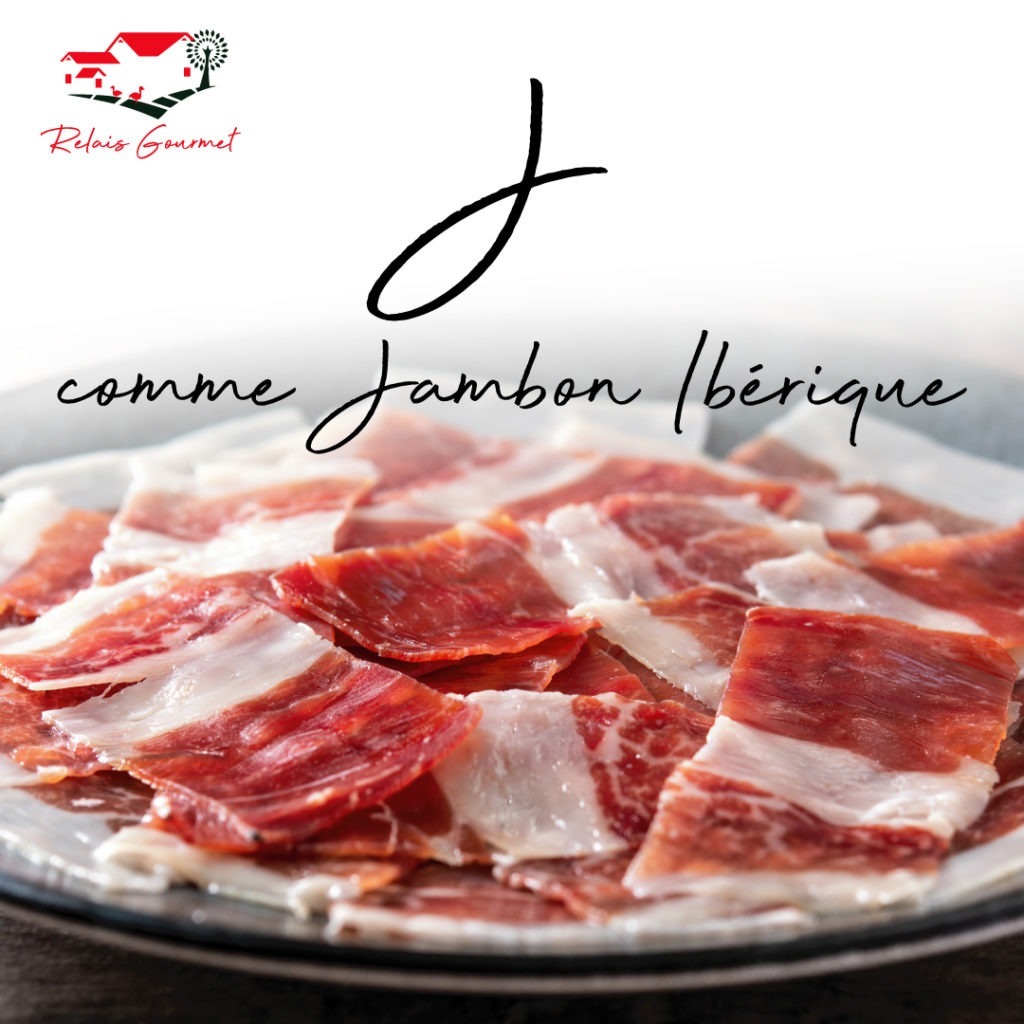
Iberian ham, or jamón ibérico, is an essential food product for preparing dishes in the kitchen, great gourmet dishes and various tastings. plays an essential role in Spanish gastronomy. But how is it really made? And where does it come from? This article answers all these questions, not forgetting a culinary point of view on how to enjoy it.
Iberian ham: production methods
Before it can be eaten, Iberian ham must first pass through a number of manufacturing stages, including sacrifice & butchering, salting, washing and resting, drying and curing. Sacrificing and butchering involve identifying the quality of the meat according to its type. After this comes the skinning stage. Next, the meat is passed through the V or serrano cut and placed on top of other pieces of meat, which are separated by a thin layer of sea salt. This is the salting stage. During this stage, the ham is preserved for several days, depending on its weight (one day for one kilo), during which its color and aromas develop.
After salting, the ham undergoes a washing and resting process. Washing is carried out with lukewarm water, to remove excess salt. Resting lasts an average of 1 to 3 months, and takes place in a low-temperature room with a certain percentage of humidity. Most Iberian hams are cured in cellars or natural drying sheds, where the moisture content is eliminated naturally. On average, it takes 4 to 9 months. As a final step, don’t underestimate the importance of curing, which is designed to develop the ham’s taste and texture.
Origin of Iberian ham
Iberian ham is a type of ham made mainly from Iberian pigs. It is descended from the pata negra or black leg, a breed of pig easily recognized by its dark black coat and hooves. These Iberian pigs originate in Spain, in regions close to the Basque Country, and are the source of the finest hams that are the pride of the country. There are three types of Iberian ham, but this designation is only authorized for hams with at least 75% Iberian pork in their composition: cebo, cebo de campo and bellota.
Cebo is an Iberian ham made from the meat of Iberian pigs raised in a pigsty on a diet of cereals and vegetables. Cebo de campo, on the other hand, is produced from Iberian pigs raised outdoors, but also on a diet of cereals and vegetables. Bellota is the true Iberian ham, made from 100% Iberian pork. When we speak of “pata negra”, we’re mainly referring to bellota.
There are 4 AOCs or Appellations d’Origine Contrôlée for Iberian ham: AOC Guijuelo from the department-province of Salamanca, AOC Jabugo-Huelva from the department-province of Huelva, AOC Extremadura from the Autonomous Community of Extremadura and AOC Los Pedroches from the department-province of Cordoba.
Culinary point of view on how to enjoy Iberian ham
Just like wine, it’s essential to prepare your Iberian ham properly to enjoy it in the best possible way. The ideal temperature is reached when the ham begins to glisten. Place it on a ham rack with a knife (which should be sharpened) and cut into thin slices. To extract the rind and slices, you’ll need to make a deep, circular cut all around the bone. This extraction is necessary so as not to change the flavor of the jamón ibérico.
Iberian ham is best served with a good red wine, a dry white wine or an excellent champagne. Crunchy, fine gourmet bread might do the trick, but it would be much more interesting to add soft cheese, tomato, grapes and walnuts to the mix. It can also be enjoyed with duck liver, fresh mushrooms or simply in combination with homemade mashed potatoes.
Find more tasty recipes in the Recipe section of our website and interesting facts about Foie Gras and the Basque Country on our Blog!