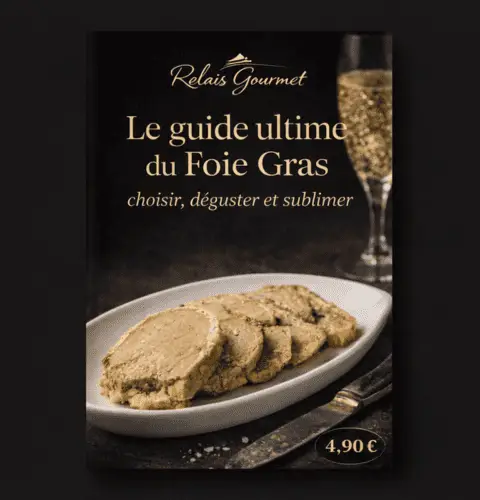

When you read foie gras with Tahitian vanilla, the reaction is often the same: first curiosity, then mistrust. The idea can seduce as much as it can worry. Too sweet? Too fragrant? Too far from traditional foie gras? In reality, it’s all a question of dosage, the quality of the foie gras and the very nature of the vanilla used.
If you’re looking for a real foie gras vanille de tahiti avis goût, you’ve got to get away from vague descriptions. This combination is only successful when it respects the main product. Vanilla shouldn’t overpower or overpower. It should simply accompany the noble fat of the foie gras, giving it a more floral, rounder length, and a truly elegant signature.
foie gras vanille de tahiti taste advice: what to really expect
The taste of foie gras with Tahitian vanilla is not a dessert. That’s the first point to clarify. It’s a salty, gourmet dish, with a generous, melt-in-the-mouth texture and a long finish. Vanilla acts as an aromatic seasoning, in the same way as a hint of alcohol, a rare pepper or a well-chosen fruit.
Tahitian vanilla has a sweeter, more floral profile than more woody or cocoa-flavored vanillas. In foie gras, it can evoke fine notes of white flowers, sweet almond, sometimes even a slightly aniseed-like impression, depending on the palate. What appeals to connoisseurs is its ability to round out the natural power of foie gras without making it disappear.
The result on the palate, however, depends on a delicate balance. If vanilla is discreet, it brings a sensation of refinement and a more delicate finish. Too much vanilla, on the other hand, and the foie gras loses its nobility, taking on an almost candied character that can be wearying from the second bite. It’s a precision product, not just a flavor added to surprise.
why Tahitian vanilla works with foie gras
Foie gras has a dense, silky texture, with a naturally buttery aromatic richness. This structure often calls for counterpoints: a little fleur de sel, a fruit compote, a bread with character, or a subtle seasoning. Tahitian vanilla works because it adds a gentle, non-aggressive aromatic tension.
Unlike a brighter spice, it doesn’t break the substance. It prolongs it. It gives foie gras a more complex texture, especially when you work with whole, artisanal foie gras, prepared without additives or preservatives and with controlled cooking. On a high-quality base, the pairing becomes coherent. On a more standard product, it can quickly seem artificial.
It’s for this very reason that connoisseurs of the terroir remain demanding when it comes to origin and preparation. A whole foie gras IGP Sud-Ouest, prepared with respect for the product, can handle this type of flavor much better than a foie gras where the seasoning serves to compensate for a lack of character.
a taste for different palates: refined for some, controversial for others
An honest opinion on taste must recognize a simple fact: this is not a universal recipe. Tahitian vanilla foie gras appeals strongly to those who enjoy subtle pairings, unusual festive recipes and nuanced taste experiences. It often appeals to guests who find the classic foie gras excellent, but expect a more original variation for a reception meal.
On the other hand, purists of traditional foie gras may find it too aromatic, especially if they appreciate above all the purity of the liver, salt, pepper and the simplicity of a good toast. Their reservation is legitimate. It all depends on the moment, the menu and the intention. For a first discovery of foie gras, a classic is often more educational. For a festive meal or a tasting box, Tahitian vanilla can be a pleasant surprise.
Another factor to consider is service. Too cold, the foie gras closes and the vanilla becomes less expressive. Tempered too much, the whole may seem heavier. The right balance reveals the finesse of the recipe.
how to recognize a successful recipe
A good foie gras with Tahitian vanilla is judged not only when tasted, but also before opening. The recipe should be short and clear. The simpler the recipe, the more confidence it inspires. Quality foie gras, precise seasoning, real vanilla: it’s this spirit of sobriety that makes the difference.
When cut, the texture should remain clean and melt-in-the-mouth, never greasy to the point of total disintegration. On the nose, vanilla should not come first, like a pastry fragrance. Rather, it should appear in the background, with finesse. On the palate, the foie gras should remain the center of gravity. Vanilla comes next, almost like an aromatic caress.
To better understand the different profiles available, it’s useful to browse through a specialized selection of flavored foies gras. You’ll quickly realize that a successful perfumed recipe is not about fashion, but about balance.
what to enjoy it with
The choice of bread makes a big difference to the experience. A lightly toasted country loaf works very well, as it adds relief without stealing the show from the aromas. Brioche bread, on the other hand, can sometimes accentuate the sweet roundness of vanilla and make the whole less precise. It’s not a mistake, but it’s a more gourmand style, sometimes more demonstrative.
When it comes to accompaniments, it’s best to remain measured. An onion compote that’s too sweet or a fruity chutney can confuse the product. A few crystals of fleur de sel, a well-chosen bread and a simple presentation are often enough. If you like fruity combinations, it’s best to opt for a very light touch.
To serve foie gras successfully, preparation and cutting tips are just as important as the product itself. The how to enjoy foie gras blog helps you to avoid mistakes that mask the flavours.
when this fragrance is most relevant
Foie gras with Tahitian vanilla is particularly well-suited to festive occasions, elegant dinners and gourmet gifts, where you want to offer a product that’s both traditional and distinctive. It has that extra something that attracts lovers of culinary discoveries without breaking with the spirit of French foie gras.
For a boxed set or a group tasting, it works very well in comparison with a classic whole foie gras. Start with the traditional version, then offer the vanilla version. The difference becomes clearer, and the palate better understands the intention of the recipe.
With this in mind, gourmet gift boxes are particularly well-suited to introducing a variety of profiles to guests or loved ones who appreciate exceptional products.
should you buy it if you like traditional foie gras?
Yes, but not with your eyes closed. If, above all, you’re looking for the purest expression of foie gras, it’s best to start with or stick to a classic recipe of fine origin, such as a whole foie gras from the South-West. You’ll get a more direct sense of the product, its texture and seasoning.
On the other hand, if you like well-constructed variations, artisanal recipes and elegant pairings, Tahitian vanilla is clearly worth a try. It’s a recipe that can come as a pleasant surprise, as long as you don’t expect a sweet treat. It’s about nuance, not spectacular effect.
For many connoisseurs, the taste becomes very positive once they understand this intention. This foie gras doesn’t seek to transform the product. It seeks to illuminate it in a different way. This is an essential difference.
our opinion on tahitian vanilla foie gras taste and balance
The appeal of this recipe lies not in its originality alone, but in the quality of its execution. Done well, foie gras with Tahitian vanilla offers a refined, enveloping tasting experience, with a very seductive floral finish. Done badly, it quickly becomes anecdotal.
It’s a great option for food lovers who want to go beyond the classic without denying the authenticity of French foie gras. The true criteria for choice remain the same as with any great specialty: controlled origin, natural ingredients, artisanal know-how and the right seasoning. At Relais Gourmet, these exacting standards guide the selection and preparation of our products, from origin to tasting.
If you’re still hesitating, the best thing to do is not to look for an overly flattering promise, but to ask yourself what tasting moment you want to create. For a festive table, a refined gift or a discovery to share, Tahitian vanilla can offer that touch of distinction that keeps people talking long after the meal is over.